 EN
EN


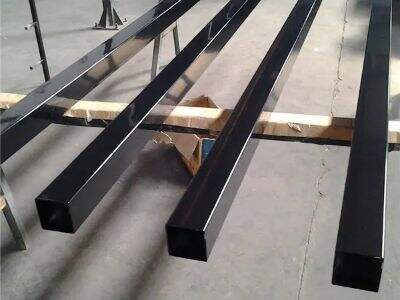
Rectangular Steel Tubing is an incredibly useful material that is strong and advantageous, but what will we be able to make out of it? It feels clean and unambitious, but it can carry a lot of weight, making it ideal for constructing moderns buildings. This firm, Teni, produces high-quality rectangular steel tubing that results in buildings and facades that don’t just look good but endure for centuries. This type of steel tubing can be moulded and cut in various ways, enabling designers to bring the most surrealistic ideas to life. Now, when you pass a large building with harsh edges and clean surfaces, it’s fair play to assume some of those strong parts on the inside are from Teni, in rectangular steel tubes. It’s not just a question of muscle; it’s about creating spaces that feel fresh, modern and safe
Advantages of Rectangular Steel Tubing In Modern Architectural Facades
Steel rectangular tubing for building facades has multiple advantages. It’s first of all extremely strong, and can withstand a lot of pressure without bending or breaking. This is so that even when the wind blows or a storm front moves in, the building’s exterior walls keep safe and secure. And then there’s the form; rectangular tubes go together great in clean, straight lines that many a modernist building desires. Not only do these tubes support the walls, they can also be part of the design. Occasionally, architects want the steel to show, because it can look cold and industrial. Teni says rectangular steel tubing is ideal for this part because it looks smooth and tidy when finished. Plus steel isn’t easily damaged by fire or pests, so it helps keep buildings safer compared with many other materials. When developers employ steel tubing, they can create lighter facades and one that remains very strong. This serves to lighten the building overall, which can save money on foundations and other elements. Some contemporary facades, in fact, blend steel tubing with glass or wood for an original aesthetic, and Teni’s creations harmonize seamlessly here as well. For all these reasons, rectangular steel tubing is popular with people who want buildings to appear modern, last long and stay safe
Why Rectangular Steel Tubing is The Best Option for Modern Building Frameworks
For a considerable number of commercial buildings, rectangular steel tubing is certainly on the shortlist. Part of the reason is that it’s strong in a shape that is easy to work with. The tubes have flat sides, so it’s easy to fasten other materials like panels, insulation or wiring to them. This is a time saver when constructing and helps keep things tidy. And more broadly, such tubes are resistant to twisting and bending far more than round tubes in most cases, so the building remains stable even under heavy loads. Here at Teni, we understand that quality steel tubing should conform to exacting standards and that is the principle which guides us as we fashion our tubes to be consistent and dependable. Builders know they can expect it to perform every time. And, finally, rectangular tubing comes in a wide range of sizes and wall thicknesses. That means architects can specify precisely what they need for small parts or large supports. It’s not one-size-fits-all, and that’s largely important for contemporary buildings, which are often made in all kinds of different materials and styles. And sometimes, a structure may require tubes that can withstand cold or heat without warping, and Teni’s steel tubing can do that. One slight hiccup is that steel can rust if left outdoors without a finish, but our products are treated with something which makes them resistant to corrosion for many years. And that’s what helps keep buildings looking strong and beautiful for so many years. A creative design is something that's made possible with rectangular steel tubing but a little more difficult using other materials. At other times, architects prefer open interiors with fewer columns or walls, and steel tubing can support a roof or floors without requiring as many supports. This gives the illusion that rooms are bigger and more open. So for anyone looking to build a modern structure, the strength, shape and flexibility we found in Teni’s rectangular steel tubing is a no-brainer place to start base-building
Typical Problems of Rectangular Steel Tubing in the Architectural Applications
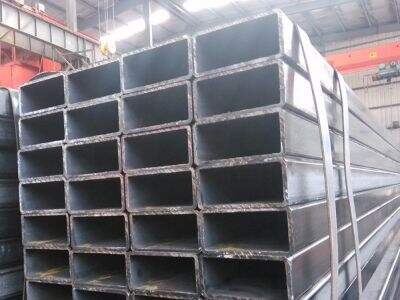
Architects and builders typically encounter challenges when integrating rectangular steel tubing in a construction project. Rectangular steel tubing is strong and makes for a popular choice for creating modern buildings and facades because it looks clean and can hold a lot of weight. But using it is not without challenges. It’s no small task to cut and shape the steel tubing that makes the frame according to exacting design specifications. Because the tubes are hard steel, tools must be very sharp and accurate. Imperfect cuts may lead to parts not fitting together well, resulting in delays and added expense. Another challenge is preventing rust. Steel may rust when exposed to rain and moisture, particularly in outdoor applications. Rust weakens the tubing and makes the building less safe. Special coatings or paint need to be applied to prevent this, but it can be difficult to ensure it is applied evenly. That, too, when rectangular steel tubing is used in very tall buildings or walls, it must be connected properly to other parts of the building. This calls for experienced workers, who can weld or bolt the tubes tightly. If the connections are weak, the entire structure could be compromised during high winds or an earthquake. Finally, designers will have to consider the weight of the steel tubes. Steel, while strong, is heavy, and using a lot of it can either make the building expensive or difficult to build. Strength must be carefully balanced with weight, architects said. At Teni, we are very familiar with these challenges. We assist architects by supplying the best quality rectangular steel tubing for construction that should not only help them stand out to their peers, but our products are also guaranteed rust free. We also provide advice and training on the best methods for cutting, joining and protecting steel tubing so that buildings are safe and attractive. Understanding these issues will allow builders to plan effectively, including reducing the risk of potential breakdowns and other problems that can help make their projects more seamless and successful
What is the Best Flat Steel Tubing Process in T-Slotted Framing Applications
Fairly utilized of rectangular steel tubing in the structure requires reasonable calculation and good construction work to guarantee life expectancy, security power consumption as well as general market energy. Other certain best practices we at Teni advised that architects and builders employ to get quality results. Well, for starters you should be careful to measure out the steel tube and make marks before cutting. With precise measurements, parts will fit together perfectly and assembly time and costs can be minimized. The right cutting tools, saws with metal-cutting blades or plasma cutters, for example, make the cuts smooth and clean. Second, for connecting steel tubes, it is essential to weld or bolt it correctly. Welding fuses metal parts together securely, but it is the job of skilled workers who understand how to manage heat and not create weak spots. If bolts are employed they should be strong and properly located where they can safely take the building’s loads. Applying protective finishes after the installation is another useful practice. To prevent rust and keep the building looking new for decades, the steel tubing may be painted or powder coated. Pull and twist until the skin easily separates, then set aside to cool while you coat it. It’s best to do this in a clean, dry area so the coating sticks well. Also, you will want to check the steel tubes for alignment often during installation. Small missteps can accumulate and result in the building leaning or wobbling. Workers are able to keep everything straight and true by using laser levels or plumb lines. Finally, safety is very important. Safety gear including gloves, helmets and eye protection should be worn by workers cutting or welding steel tubing. Clear directions and good communication helps the installation go more smoothly and will prevent accidents. At Teni, we have ensured that our rectangular steel tubing is of high quality and easy to use. We also provide guides and support to assist builders in keeping up with the best practices. When architects and builders follow these tips, they build strong, modern buildings that endure and look fabulous. With a good installation, the steel tubing is free to do its work and make the building look safe and stylish
Who knew rectangular steel tubing could be so versatile
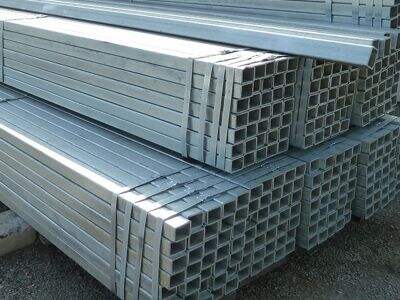
Not only is rectangular steel tubing strong and attractive, but it also in turn creates buildings that are not only good for the environment, but your budget as well. We at Teni believe, that turret steel tubing is smart building for sustainable, cost effective architecture. Long Life, One of the ways that rectangular steel tubing is sustainable is its long life. Steel is incredibly durable, so buildings constructed out of steel don’t have to be repaired or replaced frequently. This leads to less waste and few new materials consumed over time. Also, steel is recyclable. The steel tubing can be melted and recycled after a building is demolished or remodeled, saving natural resources and energy. This recycling would be part of green building and saving the environment. Rectangular steel tubing can also be used to minimize on material. Steel is strong, which means architects can create thinner and lighter structures without sacrificing safety. That means there is less steel in total used, reducing costs and the building’s environmental impact. And steel tubing is easy to ship and install. Construction moves faster, costing less money in labor and cutting down on the time machines and people are running, decreasing energy use. At Teni we offer steel tubing that stands up to rigorous applications for strength and durability. We guide architects in selecting the best sizes and coatings for their creativity to weather time, continue looking beautiful. Another advantage in terms of cost is steel tubing requires far less maintenance than other materials such as wood. It doesn’t warp, crack or get eaten by bugs, so the owners of buildings don’t have to spend as much money on upkeep. Finally, since such steel tubing permits flexibility in design, architects effectively are able to produce modern and efficient areas that conserve energy. For instance, steel frames can accommodate broad windows that allow sunlight to filter in and lower the demand for electric lighting. So in all, a rectangular steel tubing makes for a good way to construct buildings that are durable, economical and environment friendly. Here at Teni, we're thrilled whenever we can contribute to the construction of these buildings by providing information on products and helping builders take advantage of their efficiency benefits in the new year: building a better future for us all
Table of Contents
- Advantages of Rectangular Steel Tubing In Modern Architectural Facades
- Why Rectangular Steel Tubing is The Best Option for Modern Building Frameworks
- Typical Problems of Rectangular Steel Tubing in the Architectural Applications
- What is the Best Flat Steel Tubing Process in T-Slotted Framing Applications
- Who knew rectangular steel tubing could be so versatile