 EN
EN


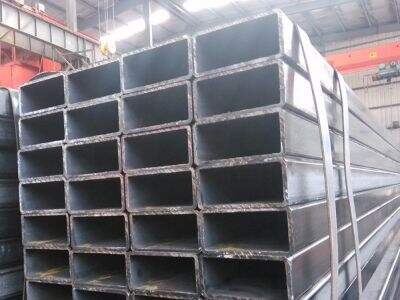
Hollow Steel Tubes vs. Solid Steel Reinforcement
When construction engineers build solid structures, they frequently must decide between hollow steel tubing and solid steel reinforcement. Both materials are great, but they vary a lot in weight, price and strength. At Teni, we aim to help everyone understand these differences so that they can make well-informed decisions about their work. But whether on a small building or a big bridge, getting the right kind of steel to use matters plenty. The fabric weight can also influence how easy it is to maneuver and transport. It can change the way that the budget looks. And it’s the strength that determines how long the structure will endure, and how well it will protect people. Read on to take a closer look at some of these points, and uncover the truth about what sets square hollow steel tubing and solid steel reinforcement apart.
Weight Differences, and What Buyers Need to Know
When considering steel for a project, weight is probably one of the first factors you’ll think about. Steel tubing that is hollow weighs less than solid due to the fact it has an empty space in its center. Think of a metal straw and a solid rod of metal. The straw weighs less because it’s hollow inside, even though the outside looks to be about the same size. This so it is easier to move and set up hollow pre galvanized square tubing, particularly in large quantities. For instance, when constructing a long frame or tall tower, it is less exhausting for workers to transport empty tube. But lighter is not always weaker. Hollow tubes can be extremely strong when formed with the right thickness and shape.
Hollow Steel Tubing Deliver the Cost Savings You Want For Wholesale or Bulk Orders
Cost becomes a huge factor when purchasing steel in bulk. Hollow steel tubing is inexpensive because less material is needed per foot or mile. Why? Because hollow tubes need only a fraction of the metal to make. There’s less metal to buy and less weight to ship. Shipping fees can come as a shock to some buyers. Heavier steel is more expensive to move by truck and ship. Teni’s clients inform us their purchase of hollow tubes saves them money both on the cost per piece, and on delivery. The other issue is how steel is produced. Hollow small square tubing could be made using machinery that shapes metal speedily and with less energy.
Why Is Hollow Steel Stronger than Solid Steel?
A hollow steel tubing is a piece of steel in the shape of a tube with an empty space through which liquid or gas can pass. This design gives it a lighter weight over steel bars. It's hollow, but its tubing shape grants it a surprisingly strong resistance to forces applied from angles. For instance, hollow tubes hold up well against bending or twisting, an important quality for parts of a building that must remain stationary while winds blow or earthquakes shake. The air or space within contributes to the weight savings, without sacrificing too much strength.
When to Use Hollow Steel Tubing Vs Solid Steel Versus Solid Steel in an Engineering Project?
First, let’s take a look at the weight of the products. Heaviest (weight) is 1″ steel round bar with no tube. Hollow steel tubing isn’t nearly as heavy as solid 6 lbs. bars. This means it’s easier to maneuver and quicker to install. That said, if your project is large or involves working in hard-to-reach locations, lighter materials can save time and money. For instance, in bridges or tall buildings, making a structure lighter while still strong enables the entire edifice to remain stable.